The members use regional dialects ( satoori ) to ground the song in their origins—specifically Gwangju (J-Hope), Daegu (Suga and V), Busan (Jimin and Jungkook), and Ilsan (RM).
A "deep post" regarding this track typically explores its rich cultural and political context, as the lyrics serve as a tribute to the members' hometowns while acknowledging their complex histories. Key Themes of the Song
J-Hope’s verse is frequently the focus of deep-dive analysis. He references "5-18," which points to the Gwangju Uprising of May 18, 1980. This pro-democracy movement was a pivotal moment in South Korean history, and mentioning it is seen as a bold statement of social consciousness.
It functions as an anthem of self-assertion, where the members refuse to let their regional backgrounds be seen as a disadvantage, instead using them as a badge of honor. Why it's a Fan Favorite
The song contrasts their successful "Seoul life" with their roots, emphasizing that despite their global fame, they remain connected to the places that shaped them.
Its upbeat, production that masks serious lyrical content.
The raw authenticity of Suga’s "D-Boy" persona, representing Daegu.
The members use regional dialects ( satoori ) to ground the song in their origins—specifically Gwangju (J-Hope), Daegu (Suga and V), Busan (Jimin and Jungkook), and Ilsan (RM).
A "deep post" regarding this track typically explores its rich cultural and political context, as the lyrics serve as a tribute to the members' hometowns while acknowledging their complex histories. Key Themes of the Song
J-Hope’s verse is frequently the focus of deep-dive analysis. He references "5-18," which points to the Gwangju Uprising of May 18, 1980. This pro-democracy movement was a pivotal moment in South Korean history, and mentioning it is seen as a bold statement of social consciousness.
It functions as an anthem of self-assertion, where the members refuse to let their regional backgrounds be seen as a disadvantage, instead using them as a badge of honor. Why it's a Fan Favorite
The song contrasts their successful "Seoul life" with their roots, emphasizing that despite their global fame, they remain connected to the places that shaped them.
Its upbeat, production that masks serious lyrical content.
The raw authenticity of Suga’s "D-Boy" persona, representing Daegu.






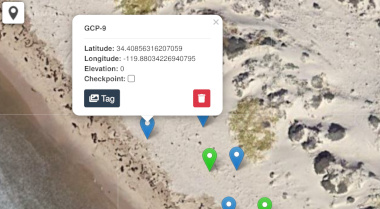
 WebODM